Structural Drying in Fayetteville, AR
Removing the visible water is only half the job. Our structural drying service in Fayetteville dries the hidden water in drywall, subfloor, framing and cabinets, using commercial air movers, dehumidifiers and regular moisture readings.
We measure the materials until they are dry, not just until they feel dry to the touch.
OUR WORK
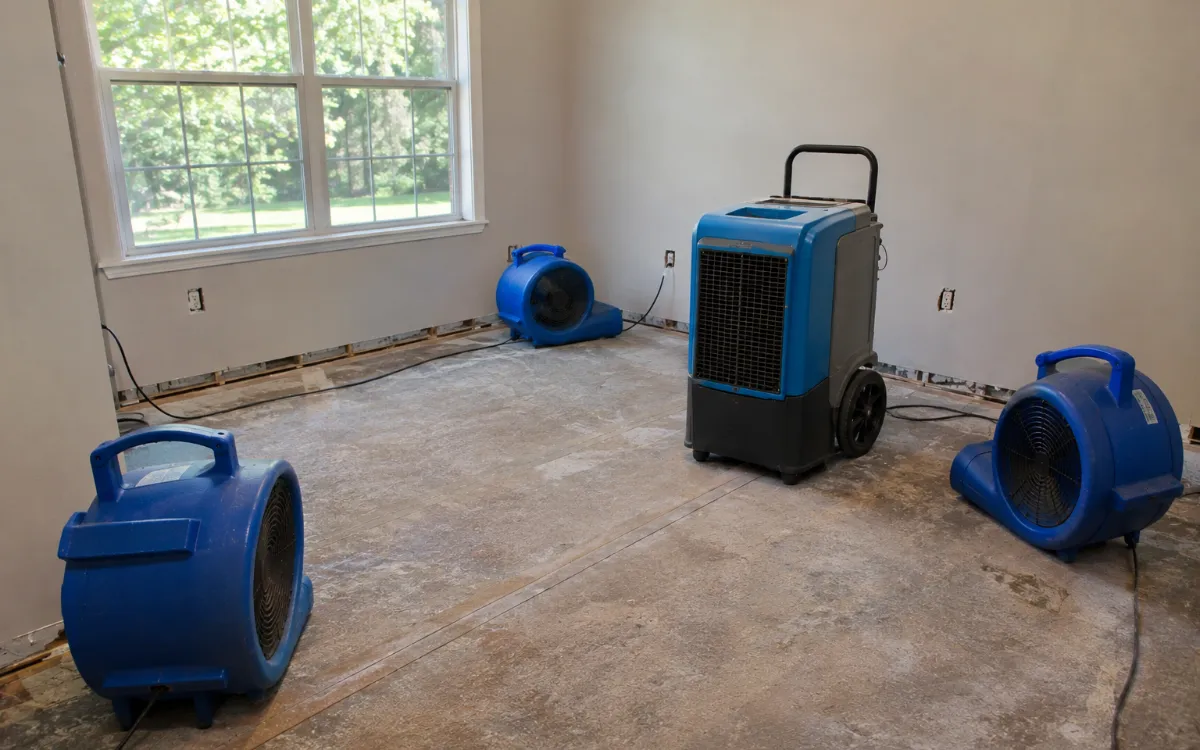
Structural Drying Work Examples
Examples of the type of structural drying work we handle.
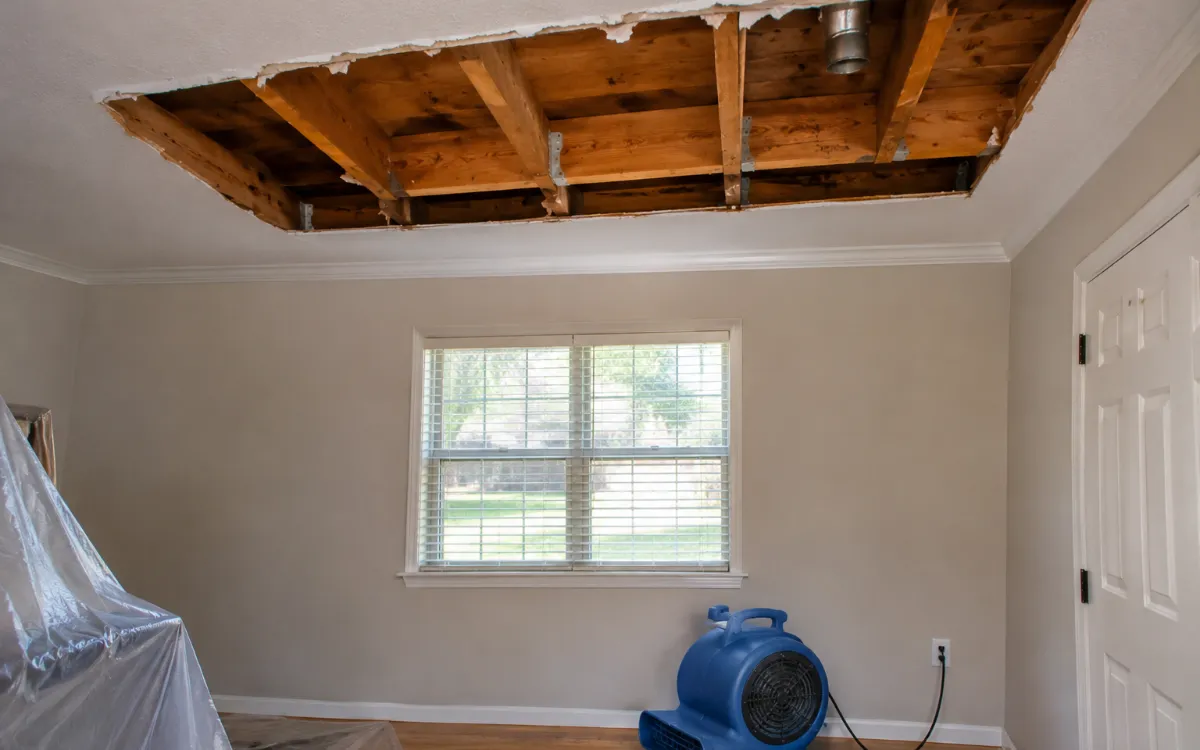
How Structural Drying Works
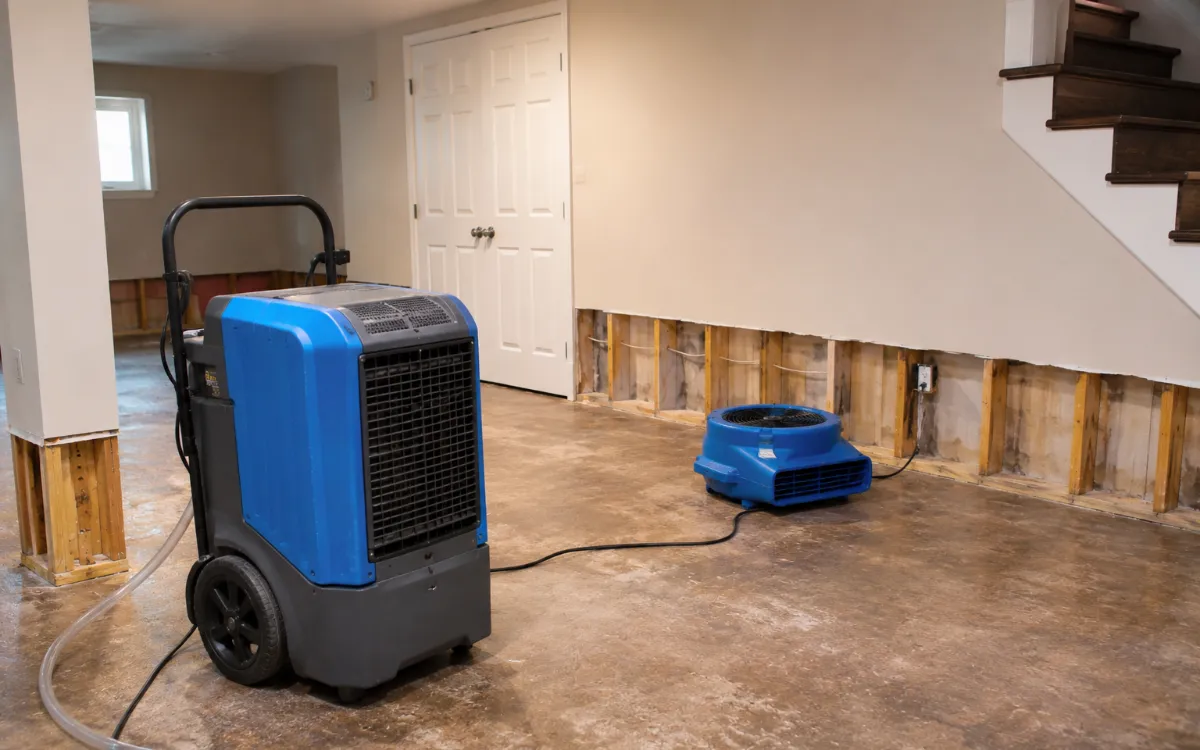
Drying a building is a balance of three things: moving air across wet surfaces, removing moisture from the air and keeping the temperature in a good range for evaporation.
- Air movers blow air across walls, floors and under cabinets to pull moisture out of materials.
- Dehumidifiers capture the moisture that evaporates so it does not soak back into the structure.
- Temperature is kept in a workable range so water evaporates steadily.
Too few machines and the job drags on. Too many in the wrong places and moisture just moves from one material to another. Placement matters as much as equipment.
Moisture Readings and Drying Goals
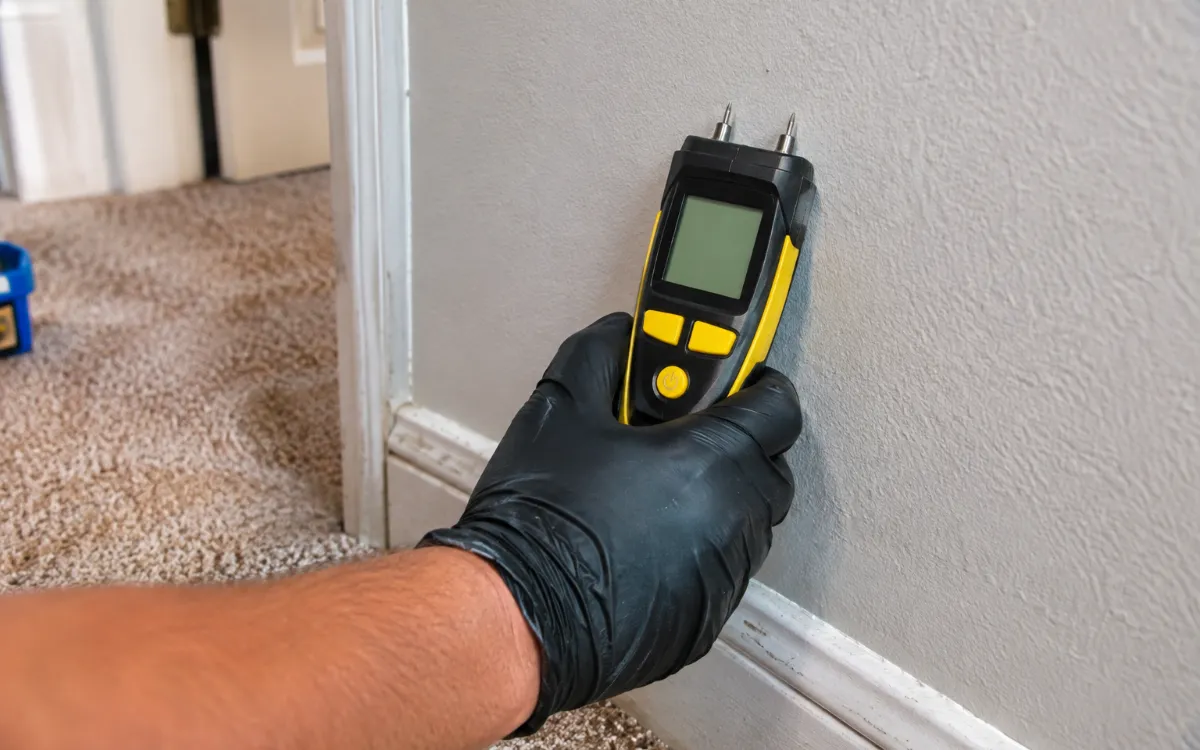
Before we set equipment, we measure. Moisture meters show how wet drywall, wood and subfloor are, and a thermo hygrometer tells us the humidity and temperature in the room. We also take readings in a dry, unaffected part of your home to set a drying goal based on your own materials.
During drying, we take readings again and adjust equipment. When materials match the dry standard, the equipment comes out. That record also helps if you need documentation for an insurance claim.
Need structural drying in Fayetteville?
Our team serves Fayetteville and nearby Washington County.
Call us today to schedule restoration service.
Call Now (555) 555-0100Drying Walls, Floors, Ceilings and Cabinets
Walls Water wicks up drywall from the bottom. When the cavity behind is wet, we may drill small holes or remove baseboards to move air inside the wall.
Floors Hardwood floors can sometimes be saved with specialty drying mats that pull moisture up through the boards. Subfloor under carpet or vinyl is dried from above and, where possible, from below.
Ceilings Wet ceilings are checked for sagging, which is a safety concern. Some can be dried in place, others need a section removed. Our ceiling water damage repair page covers this.
Cabinets Water collects under kitchen and bathroom cabinets. Removing toe kicks or drilling small vent holes lets dry air reach the space underneath.
How Long Drying Takes
Most water damaged rooms dry in about three to five days. Dense materials such as hardwood, plaster and concrete, or large losses involving several rooms, take longer. Humidity also plays a role. Fayetteville summers are humid, so dehumidifier capacity is especially important here.
Stopping drying early to save a day is a common mistake. Materials that are dry on the surface but still wet inside can grow mold or cause floors to cup and buckle weeks later.
After the Structure Is Dry
Once our readings confirm the structure is dry, we remove the equipment and move into water damage repair. That can be as simple as reinstalling baseboards and painting, or as involved as new drywall, flooring and cabinets.
If your loss started with standing water, our water extraction page explains the step that comes before drying.
Frequently Asked Questions
Why are the drying machines so loud?
Air movers push a large volume of air at high speed to pull moisture from surfaces. The noise is temporary and the equipment is removed once readings show the materials are dry.
Can I turn the equipment off at night?
We recommend leaving it on. Turning equipment off slows drying and lets humidity rise again, which can extend the job and raise the risk of mold.
How do you know when my home is dry?
We compare moisture readings in the wet areas with readings from unaffected materials in your home. When they match the dry standard, drying is complete.
Does drying use a lot of electricity?
Drying equipment does use power. The amount depends on how many machines run and for how long, which is one more reason accurate placement and monitoring matter.
Related Services
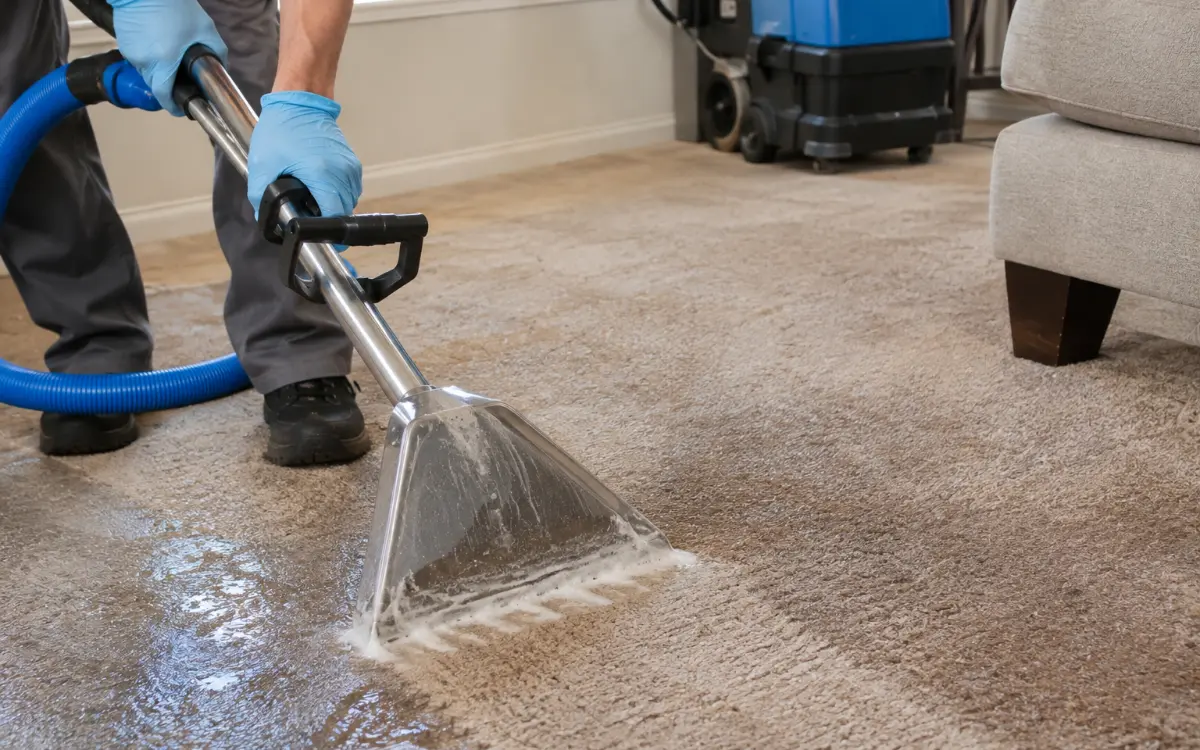
Water Extraction
Pumps and extraction wands remove standing water from floors, carpet and basements.
Learn more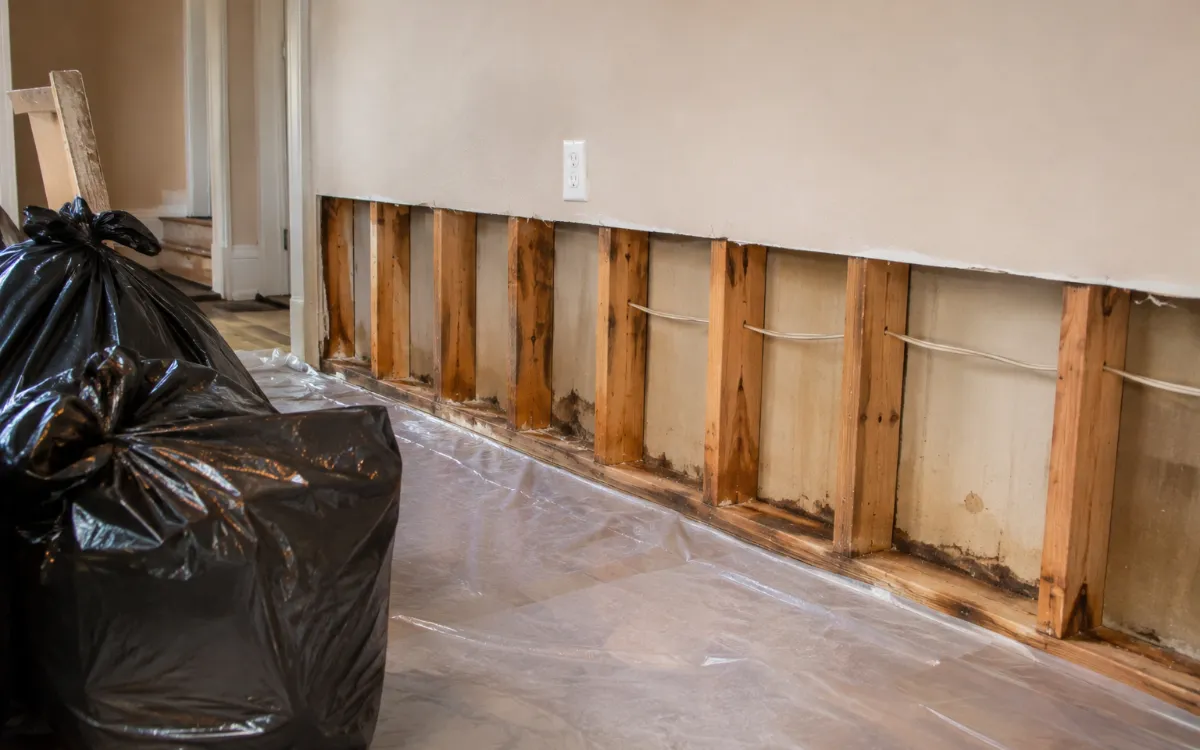
Water Damage Cleanup
We remove soaked materials, clean surfaces and treat odors after the water is out.
Learn more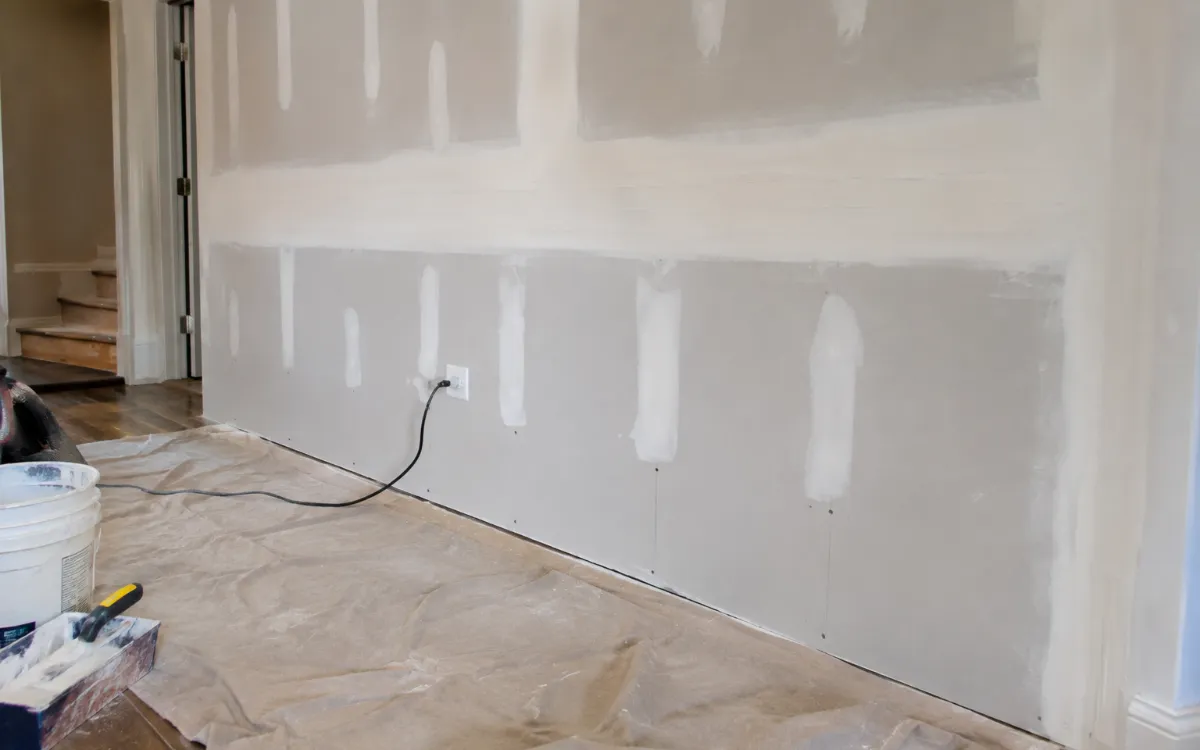
Water Damage Repair
Drywall, flooring, baseboards and cabinets rebuilt once the structure is dry.
Learn more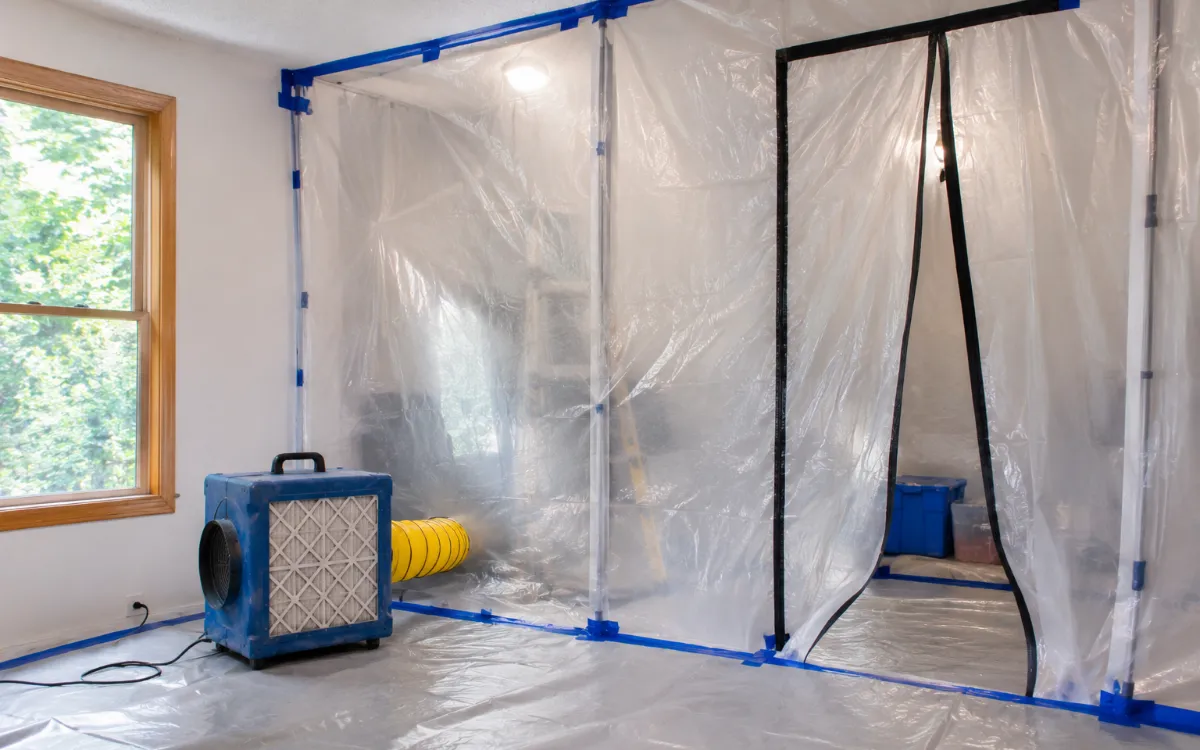
Mold Remediation
Containment, removal and cleanup of mold growth after moisture problems.
Learn moreCall us today for water damage restoration in Fayetteville
Our restoration team is ready to talk through the damage and get your property drying.
Call Now (555) 555-0100